Tema Motorway: The 'Mad Max Fury Road' and the Promise of Rebirth
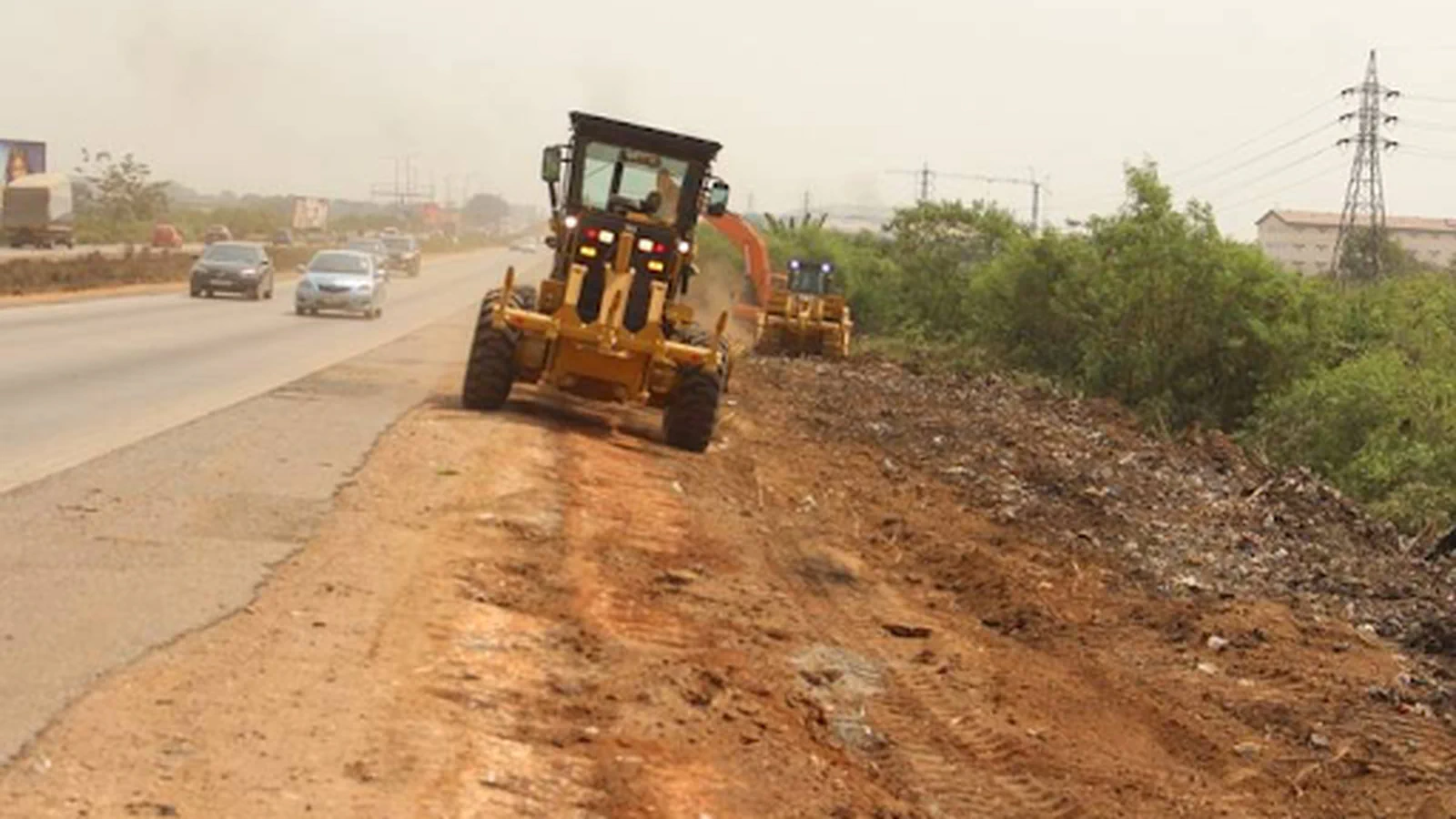
The Tema Motorway, also known as the Accra-Tema Motorway, is a 19.5-kilometre dual carriageway linking Ghana’s capital, Accra, to the country’s largest industrial hub and seaport — Tema Harbour.
Constructed in 1965 under the leadership of Ghana’s first President, Dr. Kwame Nkrumah, the motorway was designed as a four-lane concrete highway inspired by the German Autobahn.
At the time, the road symbolised speed, order, and modernity. It served as a vital interface between Accra and Tema, and as a strategic link to surrounding areas such as Aflao, Kpone, and the wider eastern corridor. As West Africa’s first major motorway, it was built to facilitate trade between the newly constructed Tema Harbour and the rest of the nation.
From Pride to Peril: The ‘Mad Max’ Fury Road
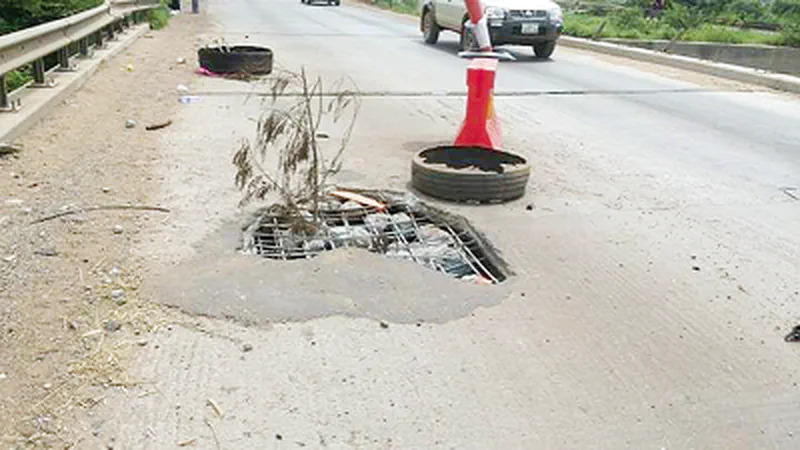
The once-celebrated strength of the motorway’s concrete pavement has today become a death trap. Despite its original design as a controlled-access highway, the road now carries heavy trucks, private vehicles, motorcycles, and pedestrians.
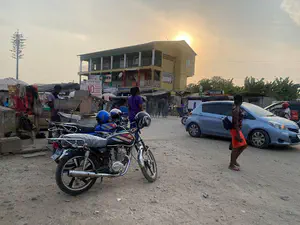
Vehicles travel at high speeds, often alongside overloaded trucks, while residential communities such as Lashibi, Spintex, and Community 18 sit dangerously close to the carriageway.
The fear surrounding the motorway has grown steadily. Years of neglect, structural deterioration, and repeated patchwork repairs using substandard materials have destroyed the integrity of the original concrete surface. As a result, deep and dangerous potholes now dot the road, turning vehicles into prey.
“Vehicles collide like combatants in a dystopian chase. Truly, the Tema Motorway has earned its grim nickname: the Mad Max Fury Road.”
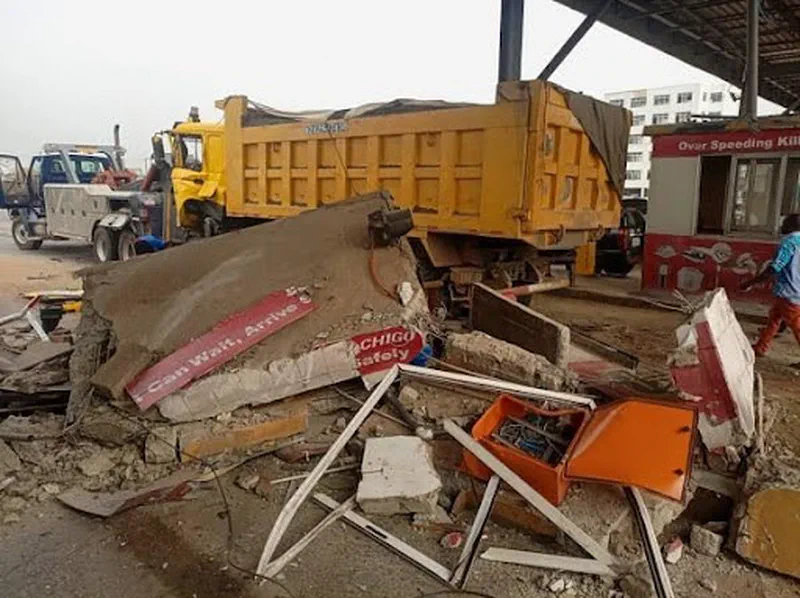
Cars swerve violently to avoid craters, heavy trucks overturn, pedestrians are knocked down, and survivors are often left with permanent injuries. Years have passed, and the soil cries out. Memories linger on the asphalt—memories of regret, pain, and fear experienced by those who travel this road daily.
The Human Cost
Tema General Hospital remains one of the main referral centres for casualties from the motorway. According to data from the Ghana Police Motor Traffic and Transport Department (MTTD), between 2018 and 2021, the Tema Motorway recorded:
- 367 road traffic crashes
- 490 total casualties
- 136 fatalities
- 354 injuries
These figures starkly illustrate the severe human toll exacted by this major urban highway. Unfortunately, specific motorway-level casualty statistics after 2021 are unavailable, raising concerns about data transparency amid continued growth in traffic volume.
A New Dawn?
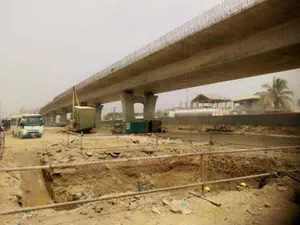
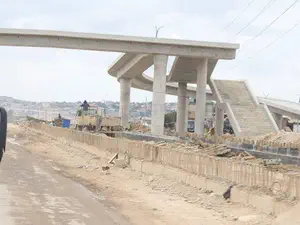
After decades of deterioration and having exceeded its 50-year design lifespan, the Tema Motorway is finally undergoing a major reconstruction and expansion into a 10-lane modern expressway. However, the transformation has come with challenges.
Construction zones have made sections of the road even more treacherous. Lanes resemble scenes straight out of a movie, while commuters endure traffic congestion and delays. Thick, polluted dust fills the air, reducing visibility and choking lungs.
The reconstruction is part of a US$380 million project, managed by Maripoma Enterprises Limited, a Ghanaian firm. It is the country’s first major road project under a Public-Private Partnership (PPP) model and is expected to take three years to complete (2024–2027).
As of now, the project is estimated to be 30–35% complete. Despite temporary delays and rising debt concerns, work has recently resumed in full.
Expectations and Hope
Upon completion, the project is expected to deliver:
- Expansion from four to ten lanes, significantly reducing congestion.
- Construction of multi-tier interchanges at Teshie Link, Community 18, and Lashibi.
- Installation of 14 pedestrian footbridges and modern LED street lighting, addressing the motorway’s long-standing “death trap” reputation.
The Tema Motorway is a critical component of the Abidjan-Lagos Corridor and a backbone of Ghana’s trade infrastructure. Its successful reconstruction will support the African Continental Free Trade Area (AfCFTA), handling over 90% of Ghana’s merchandise traffic.
Conclusion
Neither the original builders nor the people ever imagined that this once beautiful, well-orchestrated road would evolve into such a deadly corridor. Yet, hope is not lost.
With sustained commitment, quality construction, and effective management, the so-called “Mad Max Fury Road” may finally be transformed into a safe passage—a road where lives are protected, vehicles are preserved, and goods move efficiently for the benefit of the nation.