Pragya: How an Indian Soap Opera Became Dome’s Number 1 Choice for Transport
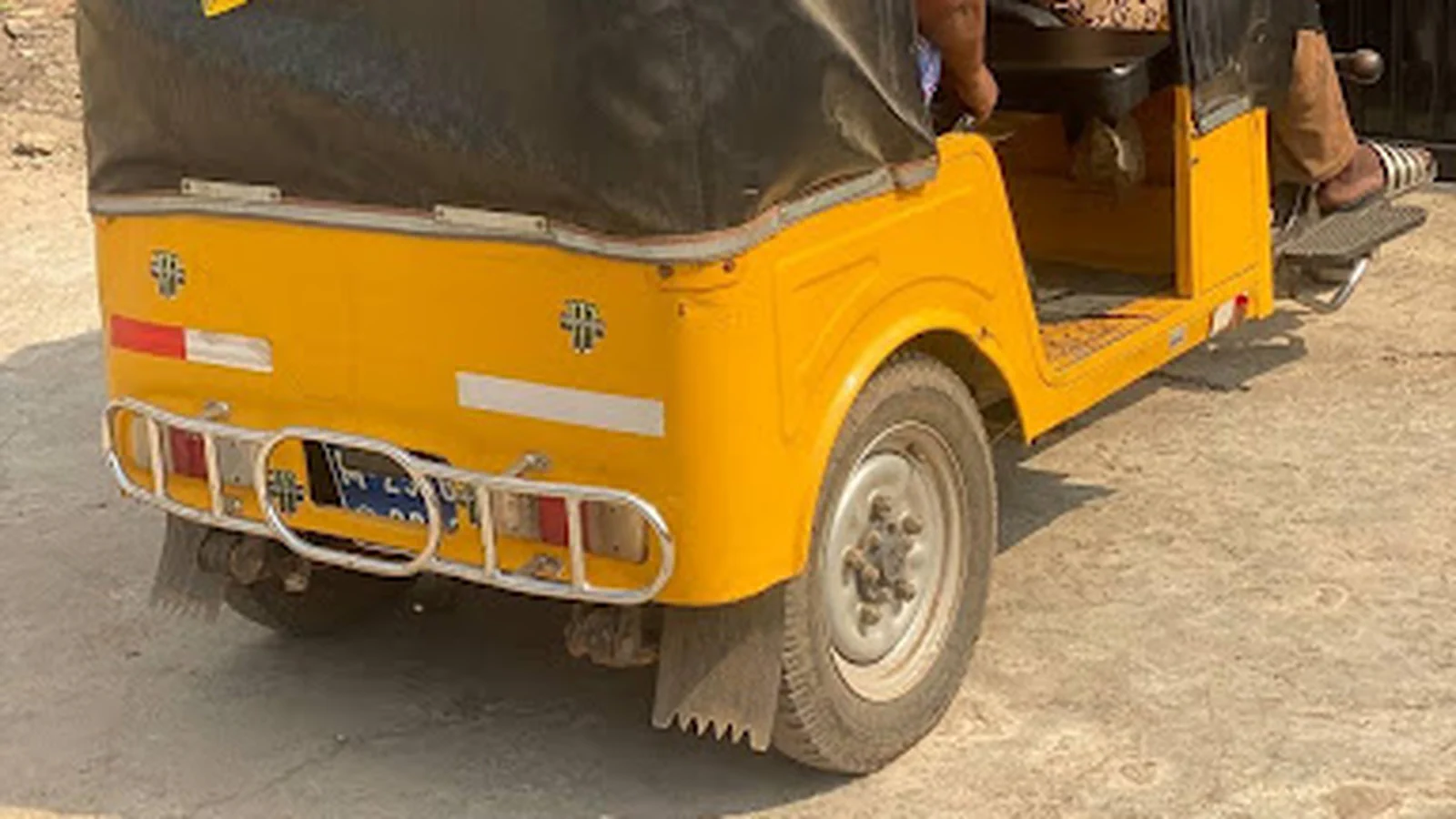
DOME — Rickshaws have become one of the most common means of transportation in Ghana. But instead of “rickshaw,” you are more likely to hear someone call out “PRAGYA!” on a hot afternoon while busily trying to board a tro-tro.
The ‘Kumkum Bhagya’ Connection
The term Pragya is popularly believed to have originated from an Indian Hindi-language television drama series titled Kumkum Bhagya, produced by Balaji Telefilms for Zee TV.
The series, one of India’s longest-running soap operas, focuses on family, romance, and cultural themes. It became a major television sensation in Ghana and frequently featured motorized tricycles in everyday scenes. As a result, the name of one of the main characters, Pragya, gradually entered local slang and became a common nickname for the tricycles themselves.
While the series did not introduce tricycles into Ghana, its popularity contributed to positive public perceptions and the popularization of the nickname. Today, the growing use of this mode of transportation is driven primarily by its relatively low cost, convenience, and ability to navigate traffic with ease.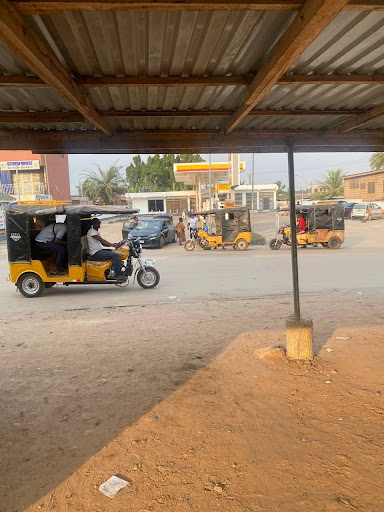
Pragya
A Daily Necessity in Dome
For many residents of Dome, the Pragya has become more than just a means of transport; it is a daily necessity.
“From early morning market runs to late-evening trips home from work, the tricycle fills critical gaps left by larger vehicles.”
Larger taxis and tro-tros often struggle to access inner roads and densely populated neighborhoods. The Pragya’s ability to maneuver through traffic and narrow streets makes it especially attractive in areas where congestion is a constant challenge.
Commercial drivers also point to affordability as a key reason for its popularity. Compared to taxis, Pragya fares are often cheaper, making them a preferred option for short-distance travel. For drivers, the vehicle offers a relatively accessible source of income, especially for young people seeking employment in an economy where formal job opportunities remain limited.
Safety Concerns and the Road Ahead
However, the rise of the Pragya has not been without concerns. Issues of road safety, regulation, and driver training continue to spark debate among commuters and transport authorities.
Some residents worry about overloading and reckless driving, particularly at busy intersections like the Dome-Crossing. Others argue that proper regulation, rather than outright restriction, is the solution.
Despite these concerns, the Pragya remains firmly woven into the transport culture of Dome. Whether hailed by name or spotted weaving through traffic, it reflects how global media influence, local economic realities, and everyday necessity can combine to shape urban mobility in Ghana.