Economic Winners in a Time of Global Disruption: The Dome Bridge Legacy
The COVID-19 pandemic, like many major global health crises before it, left a profound and lasting imprint on the world. Yet amid the isolation, illness, loss of life, and widespread disruption, a number of unexpected positives emerged. These included stronger family bonds, the rise of virtual relationships, and, in some cases, significant business gains.
In Ghana, organizations such as Frontiers Healthcare Services Ltd., the Ghana Stock Exchange, and several mining sector firms recorded exceptionally strong financial performance during this period.
And just like the individuals, families and businesses who benefitted from the pandemic, Dome, a suburb of Accra, took advantage of the situation.
The Context: A Town in Need
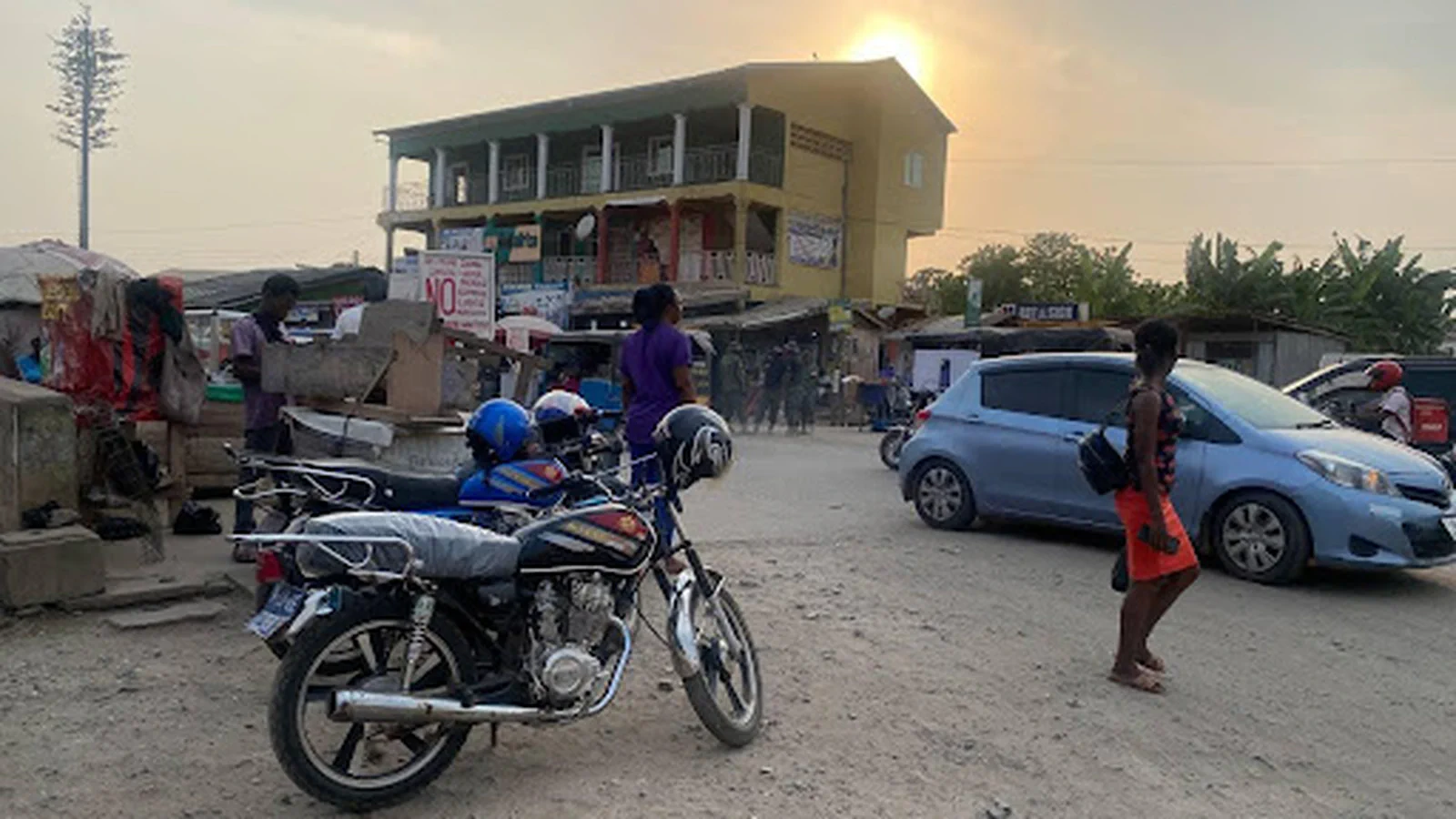
Dome (pronounced Dor-mi) is a town in the Ga East Municipal District. As of 2012, it was the nineteenth largest settlement in Ghana with a population of over 78,000 people. But with such a huge population comes a high demand for social amenities such as schools, hospitals, clean water, sanitation, and roads.
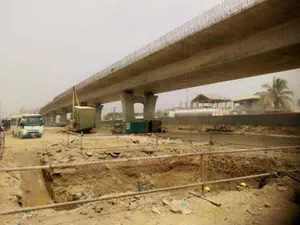
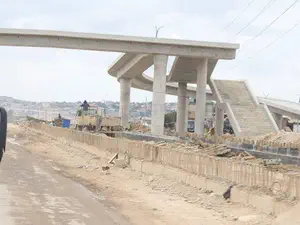
The problem really stemmed from a poorly designed and inadequately maintained bridge over a major river. It periodically became flooded and washed away during heavy rains, severing the vital link between the central market and surrounding communities. This disrupted trade, transportation, and access to essential services.
The Role of the Pandemic
But what role did COVID-19 play?
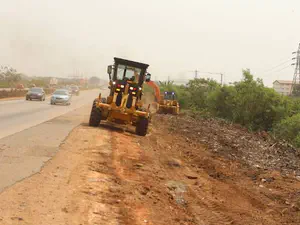
The pandemic inadvertently created favourable conditions for the construction of a more durable and resilient bridge. Nationwide lockdown measures in Ghana drastically reduced human and commercial activity around the site.
This allowed construction works to proceed with minimal disruption, while the urgency of maintaining critical transport links during a public health crisis further accelerated government intervention and infrastructure investment.
6 Years Down the Line
Today, almost six years after the construction of the bridge, it still stands firm, facilitating personal and commercial activities within the municipality. What was once a recurring point of failure has become a symbol of resilience and forward-looking infrastructure development.
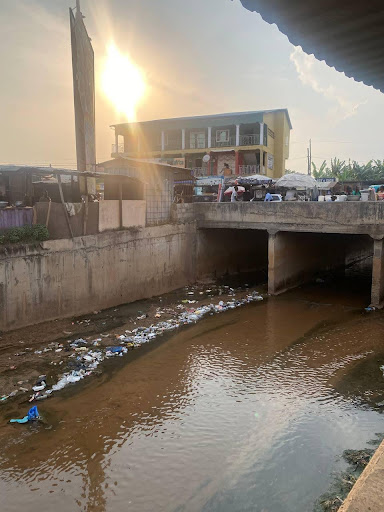
The Dome Bridge today, serving thousands of commuters daily.
Traders are able to transport goods to and from the market without fear of seasonal disruptions, residents enjoy improved mobility, and access to essential services such as healthcare and education has been significantly enhanced.
The experience of Dome illustrates how crisis, though devastating, can also serve as a catalyst for long-overdue development. The COVID-19 pandemic exposed structural weaknesses across societies but simultaneously created the political urgency, fiscal focus, and operational space needed to address them.
In the case of Dome, reduced congestion, heightened awareness of infrastructure as a public good, and the imperative to maintain economic lifelines during lockdown collectively enabled the successful execution of a long-neglected project.
A Lesson in Resilience
Finally, the Dome bridge stands as a local example of how adversity can be transformed into opportunity when decisive action is taken.
While the pandemic exacted an enormous human and economic toll, its unintended contribution to durable infrastructure development in communities like Dome emphasizes an important lesson: strategic investments made during periods of crisis can yield lasting benefits long after the crisis itself has passed.